
Strona główna » Good Practice Code
Code of Good Practice
Here is what you can do for bees and other pollinators.
Pollinators are insects that help plants reproduce as they move from flower to flower.
While looking for nectar or pollen, they carry pollen between flowers, which leads to pollination. Even though this process happens very quickly and is just a “side effect” of the insect’s visit, it is the foundation for how many plants grow and multiply.
About 90 percent of flowering plants rely on insect pollination (known as entomogamy). In fact, as many as 75 percent of our local crops cannot grow without the help of pollinators.
These include honeybees and wild bees, flies, butterflies, beetles, and ants.
Without them, we would be forced to pollinate plants by hand or with machines—which is slow and expensive—or give up on most of our crops altogether. This could lead to a disaster for our food supply, the environment, the economy, and our society.
Right now, pollinators – like all insects – are facing a crisis. Their numbers are dropping fast because of the loss of wild green spaces, single-crop farming, the heavy use of pesticides, and changes to our ecosystems.
Of course, we need big changes – like new laws and strategies at both national and international levels – to protect and bring back pollinators. But top-down action isn’t enough. We are all responsible for looking after the environment.
So, let’s start saving pollinators by taking action ourselves.
Below is our Code of Good Practices for bees and other pollinators. By following these simple steps, you can make life much easier for the pollinators living right in your neighborhood.
Code of Good Practice
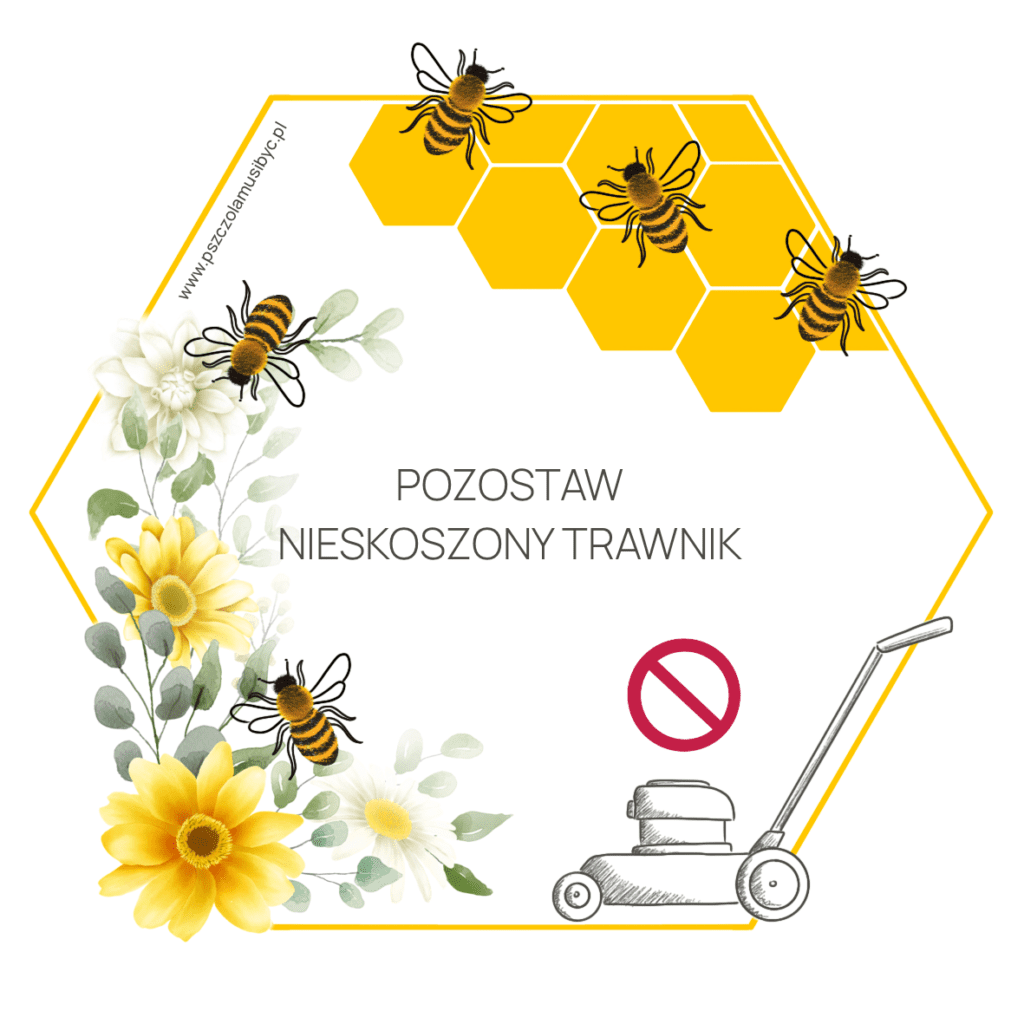
Leave your lawn unmown
A short, neatly trimmed lawn is easy to maintain—just mow it regularly and you’re ready to lay out a blanket or play football. Unfortunately, a lawn like that won’t be visited by pollinators because there is nothing there for them. These “green deserts” are the reason why rural and suburban areas, which were once friendly to bees and other insects, no longer provide them with food, leaving them to starve. But it takes so little to help!
Stop mowing your lawn so often. Let seasonal flowers appear, like dandelions, clover, yarrow, chamomile, or tansy. You will love watching a small patch of your garden come to life with busy six-legged guests. If you prefer a closely cropped lawn, try a compromise: leave at least a small part for the insects and enjoy their company.
Plant native, pollinator-friendly plants
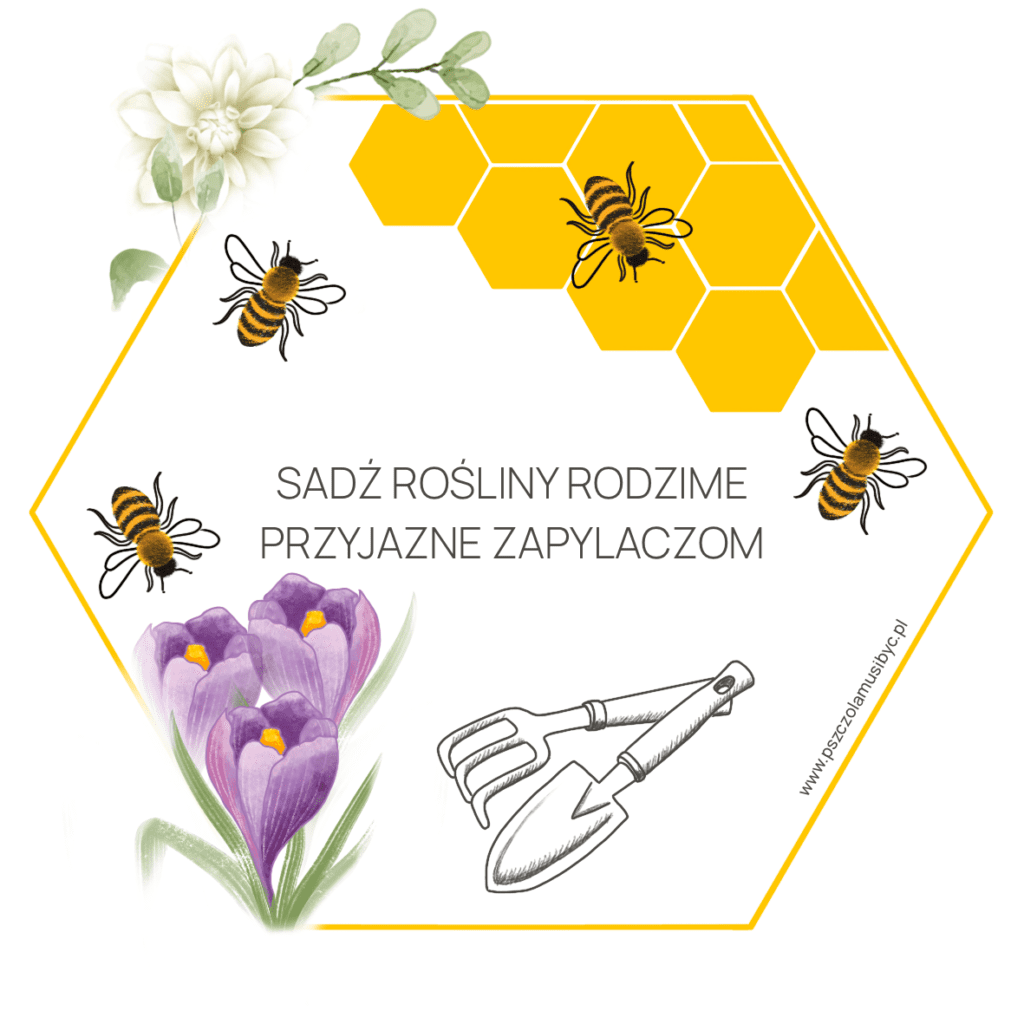
Do you have a flower garden or a large lawn? Great – you’re already halfway there! If you enjoy helping nature by sowing your own plants, pay close attention to where they come from. Sometimes very flashy flowers don’t benefit anyone but humans – they can be low in nectar and pollen, or even toxic to insects. They might also push out native plants.
Whenever possible, plant species that bloom early, even in March, when pollinators have very few food sources. Plants like snowdrops, crocuses, hazel, willow, or blackthorn are perfect choices.
Try to plant species that grow naturally in your area. Because they evolved together, local pollinators and flowers have developed special ways of working together that allow them both to thrive.
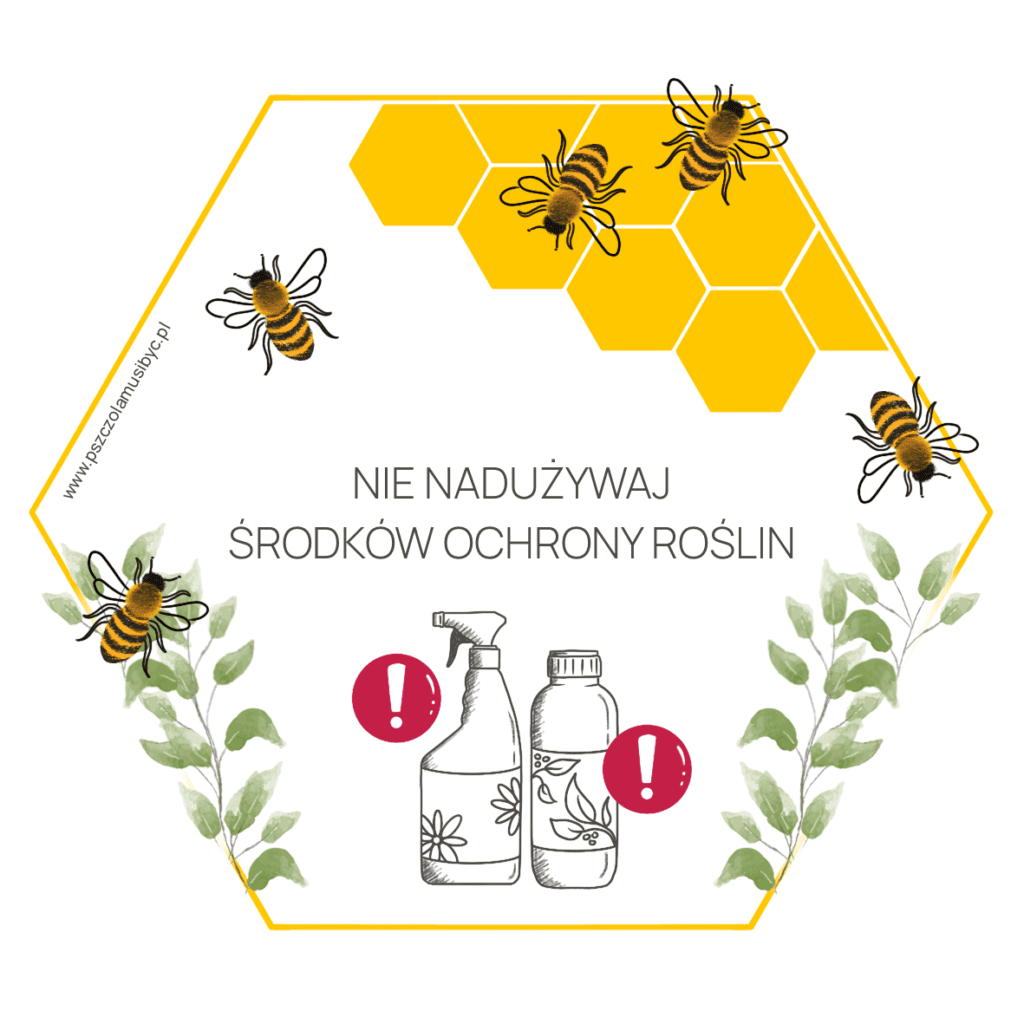
Avoid or limit the use of pesticides
Plant protection products are now available not only in specialized farming stores but in every garden center and even large supermarkets. While this is convenient for us, it can be deadly for pollinators. The widespread use of herbicides, insecticides, and fungicides can cause real havoc among insects. A classic example is a treatment used for boxwood pests that unfortunately attracts and kills bumblebees too.
The solution is simple: it’s best to stop using these chemicals altogether. It’s better to lose a few flowers than an entire bee colony poisoned by toxins brought back from your garden. However, if you absolutely must use them, follow the instructions on the label exactly. Only apply the product in the evening, when bees are no longer collecting nectar and pollen. Whatever you do, never mix different chemicals – on their own they might be safe, but together they can create a mix that is lethal to insects.
Protect natural insect habitats
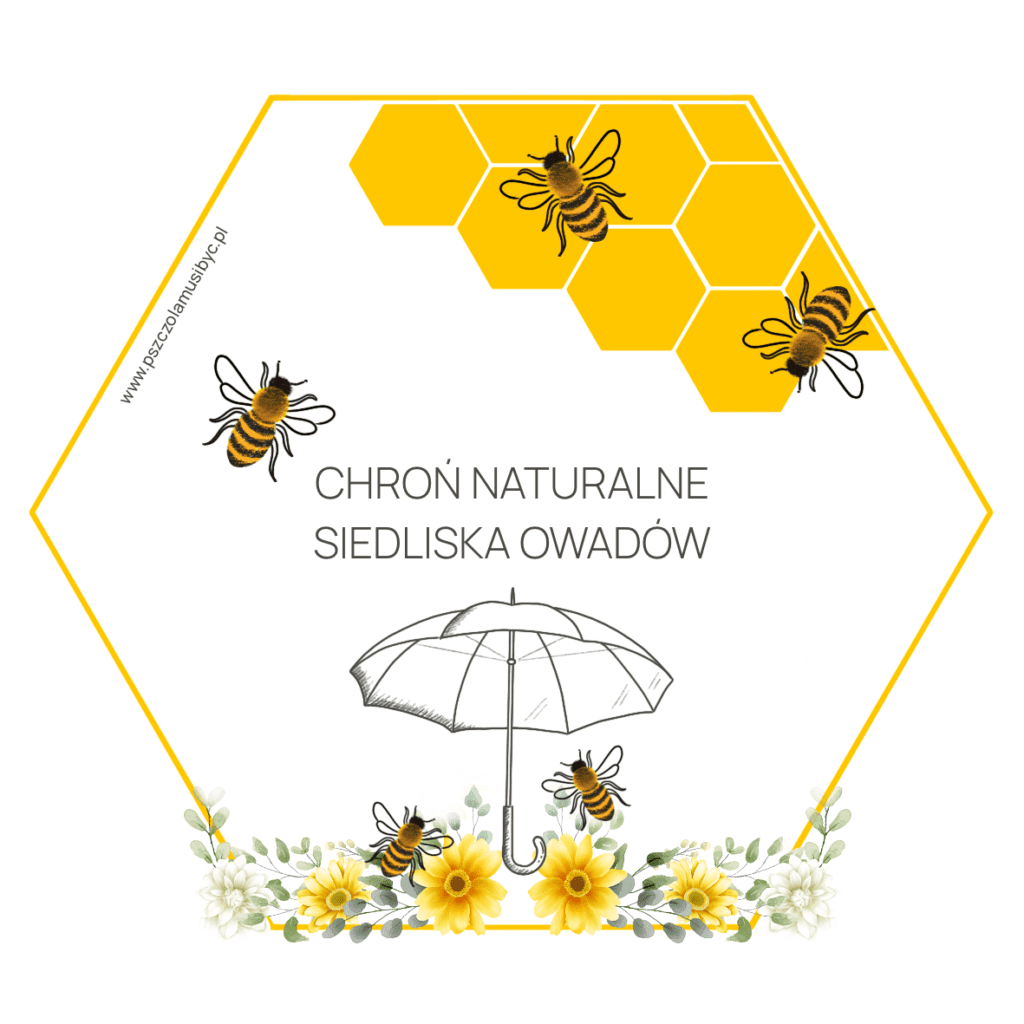
The shrinking of wildlands, meadows, orchards, and gardens in favor of large-scale farming and city concrete is one of the main reasons for the drastic drop in insect numbers. While we can’t solve all these problems, surprisingly much is still in our hands.
On farmlands, let’s leave field margins covered with natural vegetation. When deciding on city investments, let’s choose parks and green squares over parking lots and paved marketplaces. We should also take care of ecotones – the transition zones between different ecosystems. These can be natural, like a forest gradually turning into shrubs and then a meadow, or man-made, like the transitions between urban and suburban greenery. Today, these areas are the most important food sources and habitats for wild pollinators.
Let’s also create ecological corridors – paths planted with pollinator-friendly flowers that connect larger green areas. This is especially important for pollinators that can’t fly long distances, such as solitary bees. Unlike honeybees, these bees only stay very close to their nests. Such corridors allow insects to travel safely from one flowery oasis to another without the risk of dying from hunger or exhaustion.
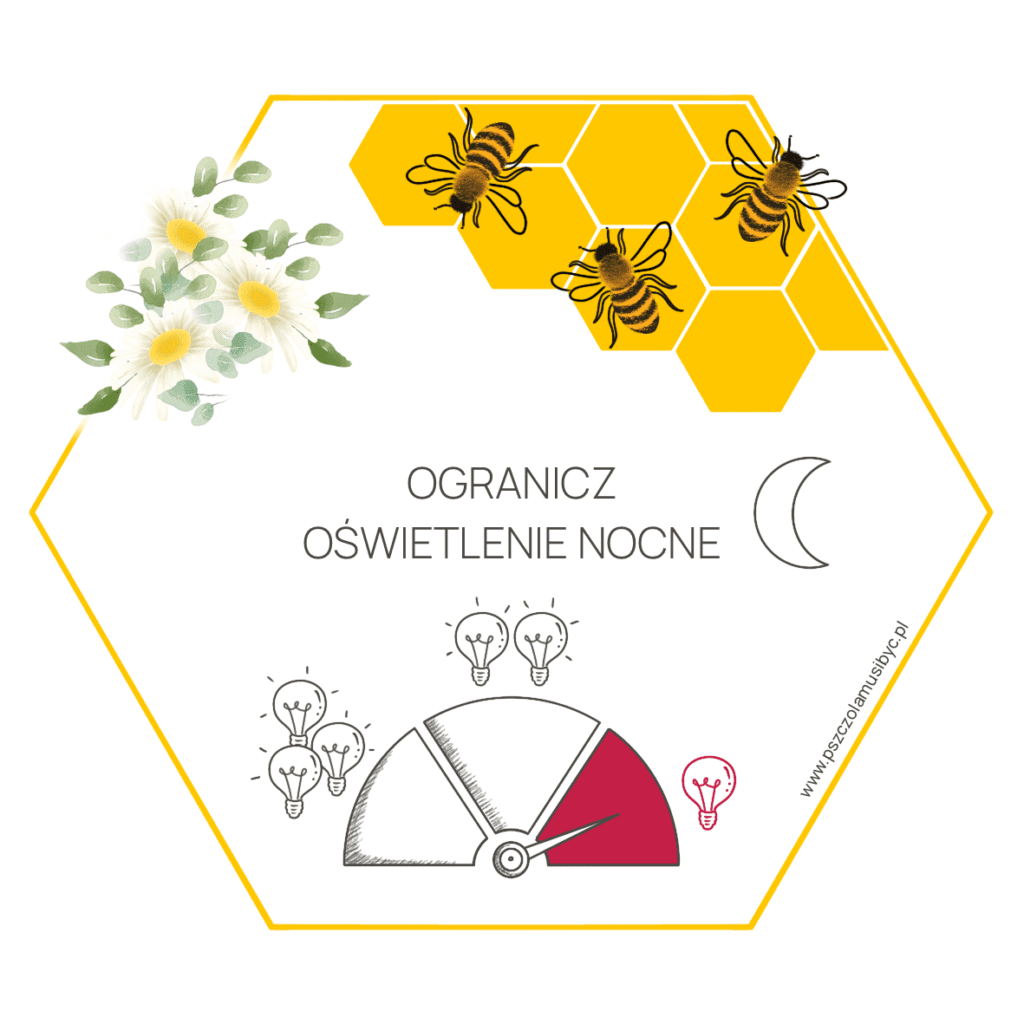
Reduce outdoor lighting at night
Streetlights, shop displays, and bright windows are harmful to pollinators that are active at night. This light confuses them, exposes them to predators, and can lead to death from exhaustion or hunger. It can also stop them from finding food or reproducing.
At home, use blinds in the evening or choose light bulbs with warmer, reddish tones (many insects cannot see this color). It is also worth promoting the “dark sky” idea in our cities – encourage supermarkets to turn off their signs after closing and support street lighting projects that point light strictly downward. This causes much less harm than traditional lamps that scatter light in every direction.
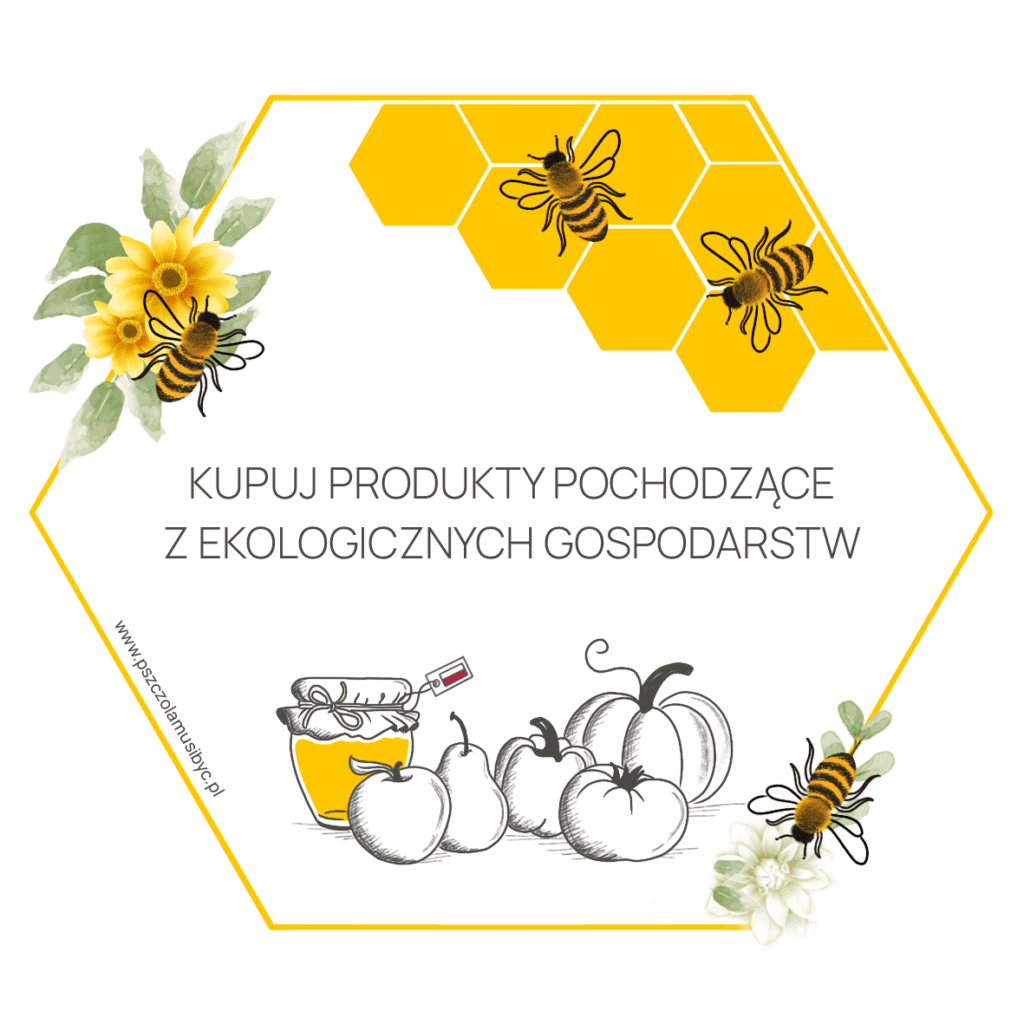
Buy products from organic farms
Make environmentally responsible consumer choices. Choose fruits and vegetables grown without pesticides, even if they are a bit smaller or don’t look perfect. Buy eggs from free-range chickens. Support local farmers and family-run farms. Every small action like this – even if it doesn’t seem directly related to pollinators – helps raise overall ecological awareness and increases demand for nature-friendly solutions. Whatever is good for nature is usually good for insects too.
When choosing honey, pay attention to where it comes from: pick nearby apiaries and local honey. Support what is close to you—both geographically and emotionally.
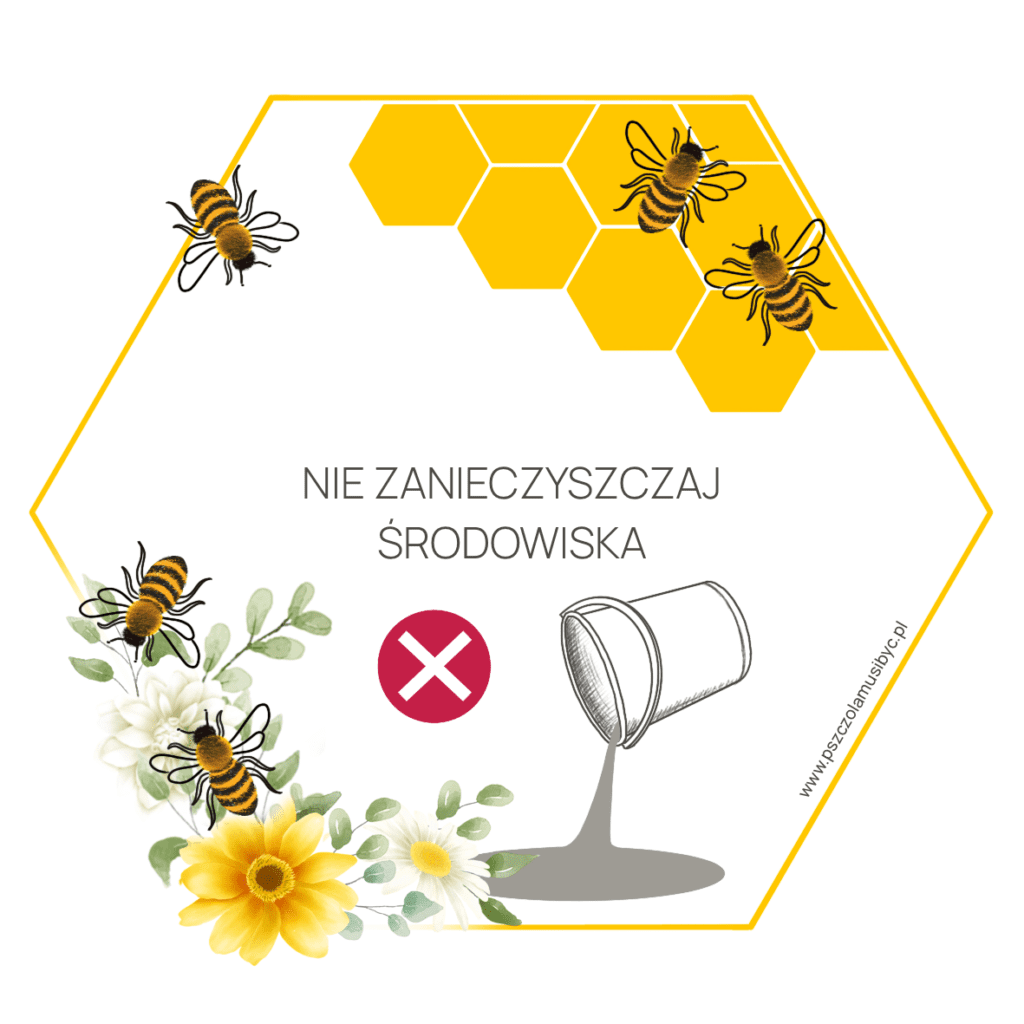
Do not pollute the environment
Minimize the use of household and garden chemicals by choosing biodegradable products. Never pour paints, mineral oils, or chemicals into the soil or drains to prevent groundwater contamination. Dispose of electronic waste and batteries only at designated collection points. The heavy metals they contain permanently poison soil and water. Proper waste disposal is the only way to stop toxins from entering the environment.
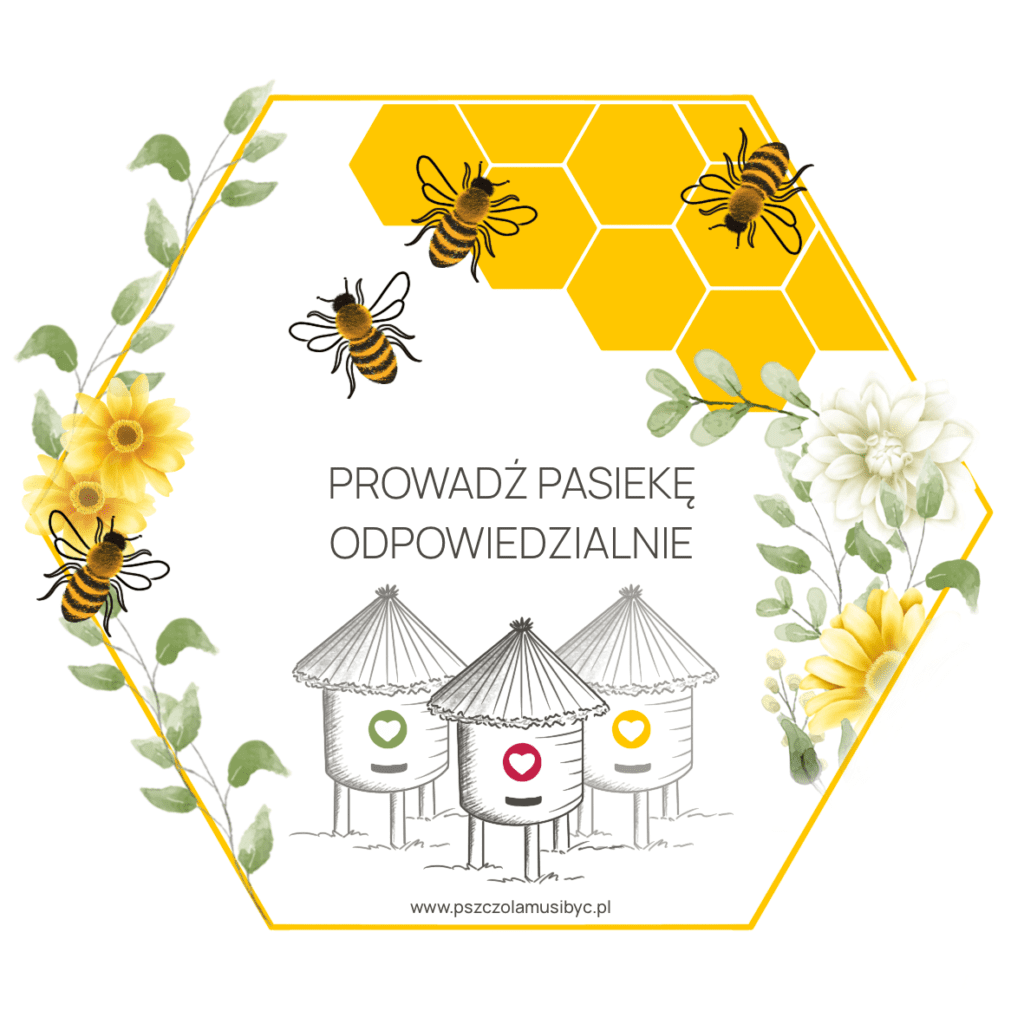
Be a responsible beekeeper
Are you a beekeeper yourself? Be proud—it’s a profession and a hobby worthy of the highest respect. Whether you run a large commercial apiary or just have a few backyard or city hives, act responsibly, because your actions echo through the entire ecosystem.
When choosing a spot for your hives, check the available food sources and see if there are other pollinators nearby. This helps avoid too much competition for food.
Don’t skip treatments — sick bees aren’t just your problem; they can spread diseases to other nearby apiaries.
Take good care of your bees – don’t forget about waterers, feeding, regular inspections, and cleaning. Don’t strip them of all their winter honey and bee bread stores. It’s better to harvest a kilogram less than to find a dead colony in the spring..
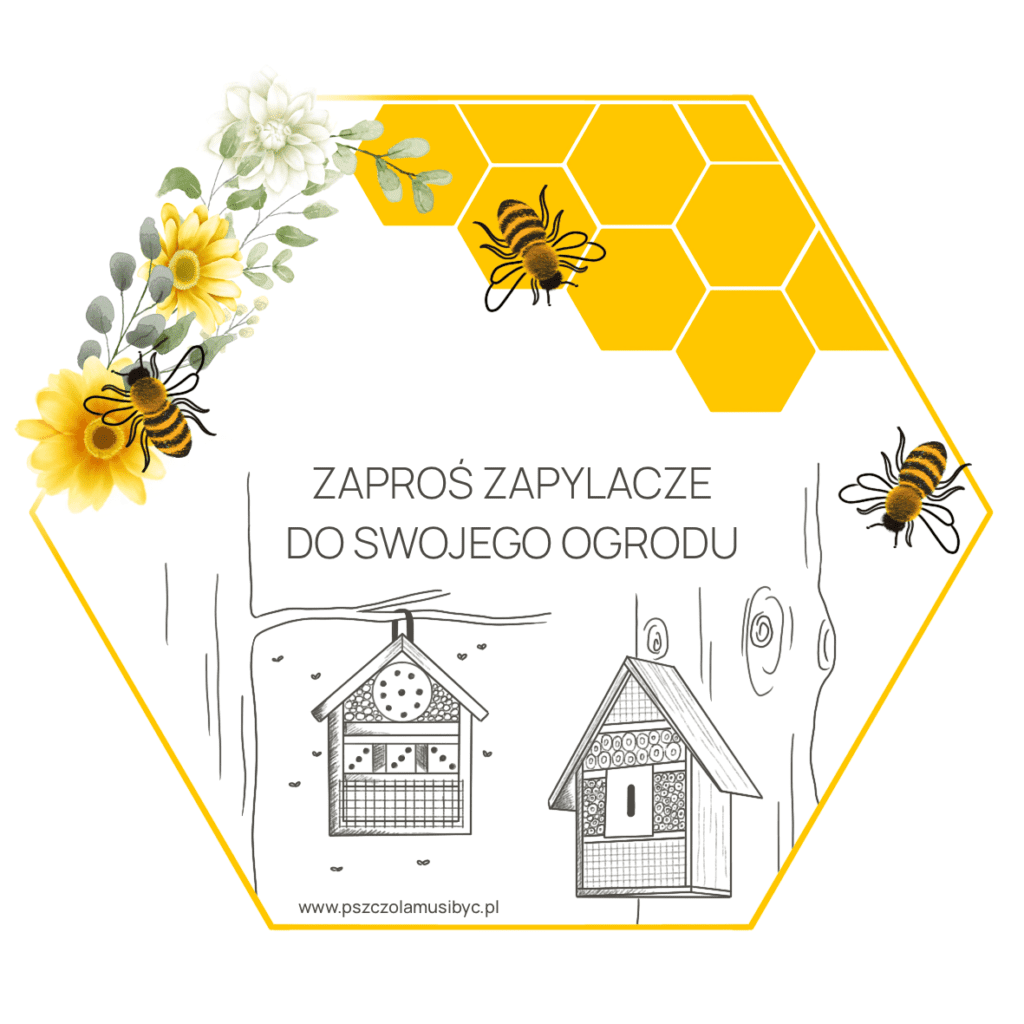
Invite pollinators into your garden
You don’t have to be a beekeeper to have pollinators living in your garden. Just planting flowers or leaving your lawn unmown will naturally bring insects your way. You can even go a step further and encourage them to move in next door.
Buy or build your own insect hotel. These little houses, made of wood, straw, clay, or brick, are becoming more and more popular because they let you watch the lives of mason bees and other pollinators up close. And if you want impressive bumblebees or cheerful mining bees as neighbors—watch your step! These insects build their nests in soil and sand, so it’s easy to accidentally destroy them. Encourage them to choose your garden by leaving a small patch of bare, fertile earth near your nectar-rich plants.
Get involved in educational and promotional activities
There are still many people who have the wrong idea about pollinators. Some fear bees as dangerous or even deadly, even though venom allergies affect only about 4% of people. Many also only appreciate honeybees, while viewing wasps and other insects as pests. If you care about the fate of pollinators, consider sharing what you know.
Become an ambassador for pollinators. Start with your close circle of friends, and in time, you might support or even help create local initiatives. Every bit of awareness can save a pollinator that might otherwise be killed out of fear or dislike born from a lack of knowledge.
Keep learning
If you’re hungry for knowledge, keep digging! Look into the courses, studies, and workshops available in your area related to bees and other pollinators. You might be surprised by how many initiatives have started in recent years.
You can always turn to books – look for classic academic texts as well as modern guides on the topics that interest you. The database of knowledge about pollinators is constantly growing on websites and online portals. Various publications and videos will help you dive deeper and prepare for any hands-on work. The more you learn, the easier and more effective your local efforts to help pollinators will be.
Support pollinator initiatives
Currently in Poland, there are several large and many smaller associations, foundations, and groups promoting the cause of bees and other pollinators. By supporting them, you have a real impact on improving their living conditions
Every conscious, eco-friendly action helps pollinators indirectly.
Returning to nature in the way we eat, garden, or manage our surroundings makes it easier for pollinators to live alongside us. Let’s not ignore these small insects or underestimate their role in the ecosystem. If they stay with us, we will enjoy blooming gardens, plenty of fruits and vegetables, and the unique pleasure of watching these intriguing creatures at work.
If they go, we might follow.
Support Our Mission
Every donation helps protect bees and other pollinators.
Make a difference today.


Join our
community
Be ECO every day and encourage others to do the same. Follow our profiles, like, and share. The most important thing is that there are as many of us as possible.


Chcesz działać z nami?
Masz jakieś pytania?
Zadzwoń i dowiedz się wszystkiego, czego potrzebujesz.